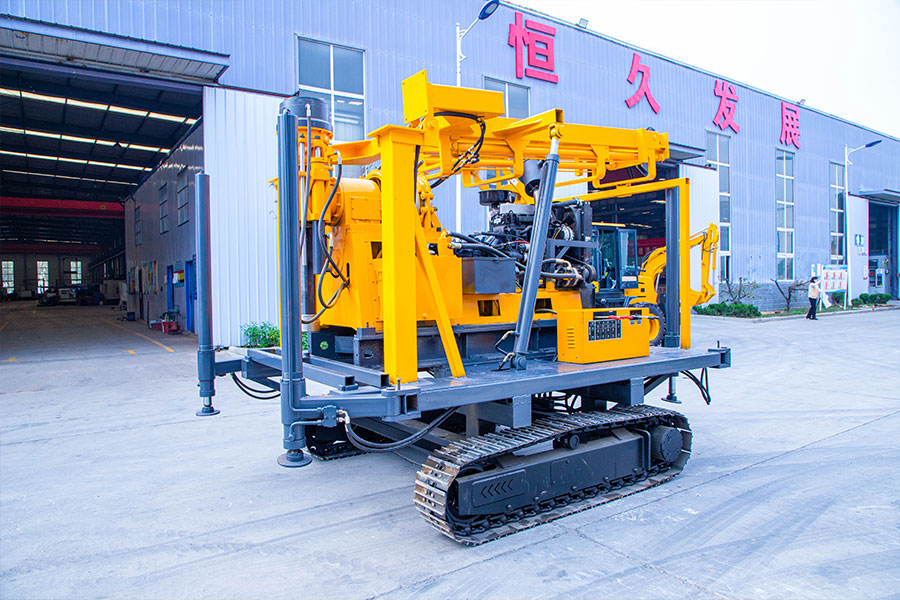
1. Regular Inspection and Cleaning
Daily Inspections: Check all components for signs of wear and damage. Pay close attention to the hydraulic hoses, fittings, and cylinders.
Clean the Rig: Keep the rig free from dirt, debris, and oil spills. Regular cleaning prevents buildup that can cause malfunctions.
Check for Leaks: Inspect the hydraulic system for any leaks. Even small leaks can lead to significant problems if not addressed promptly.
2. Hydraulic Fluid Maintenance
Use the Right Fluid: Always use the manufacturer-recommended hydraulic fluid.
Monitor Fluid Levels: Regularly check and maintain the correct fluid levels.
Replace Fluid: Change the hydraulic fluid as per the manufacturer’s schedule or if it becomes contaminated. Clean fluid is essential for
the smooth operation of the hydraulic system.
3. Filter Replacement
Inspect Filters: Regularly check hydraulic filters for dirt and clogging.
Replace Timely: Replace filters as recommended by the manufacturer or when they show signs of blockage.
Keep Spares: Always have spare filters on hand to avoid delays in maintenance.
4. Lubrication of Moving Parts
Use Quality Lubricants: Lubricate all moving parts with high-quality lubricants.
Follow Schedule: Stick to a regular lubrication schedule based on the operational hours of the rig.
Focus on Key Areas: Pay particular attention to joints, bearings, and the drill head.
5. Inspect and Maintain Drill Bits and Rods
Check for Wear: Inspect drill bits and rods for wear and damage after each use.
Replace When Necessary: Replace worn or damaged bits and rods promptly to maintain drilling efficiency.
Proper Storage: Store drill bits and rods in a clean, dry place to prevent rust and damage.
6. Electrical System Maintenance
Inspect Wiring: Regularly check all electrical connections, wiring, and switches for wear and damage.
Clean Contacts: Ensure all electrical contacts are clean and secure.
Test Components: Periodically test the electrical components to ensure they are functioning correctly.
7. Safety Checks and Training
Safety Inspections: Conduct regular safety inspections to ensure all safety features are operational.
Operator Training: Ensure all operators are well-trained in the rig’s operation and maintenance procedures.
Emergency Procedures: Make sure operators are familiar with emergency shut-down procedures.
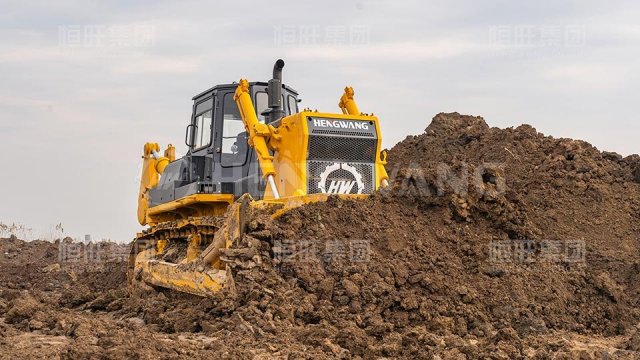 Road Leveling Bulldozer: The Core Guarantee for Efficient Road Construction
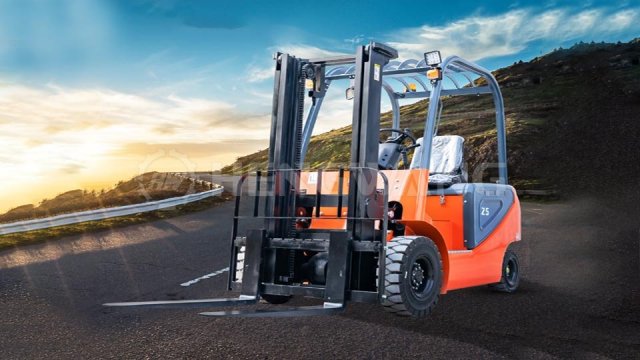 Off-Road Forklifts_ A Powerful Assistant for Complex Field Operations
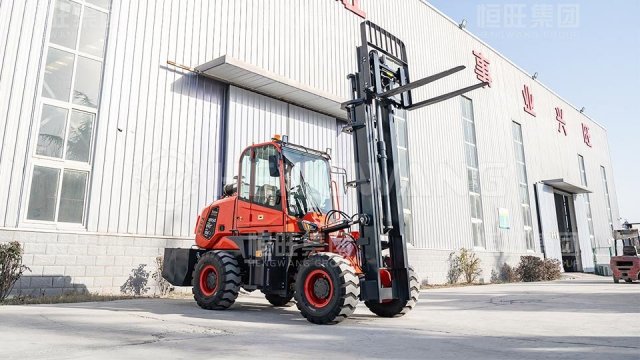 High-Load Off-Road Forklift: A Powerful Tool for Heavy-Duty Operations in Complex Environments


